
Outdoor weddings deliver a combination of natural beauty, photographic advantage, flexible personalisation, and genuine guest warmth that most indoor venues simply cannot replicate — and under the Marriage Act 1961, authorised celebrants can solemnise a marriage at any place in Australia, provided the legal notice and ceremony requirements are met. That freedom is the foundation every outdoor wedding plan builds on.
Key takeaways
Outdoor weddings in Australia offer a compelling combination of natural beauty, photographic advantage, and guest experience that indoor venues rarely match — provided couples plan early for weather, infrastructure, and legal requirements.
| Point | Details |
|---|---|
| Legal freedom to marry outdoors | The Marriage Act 1961 permits ceremonies at any location in Australia; give notice at least one month before the date. |
| Budget for infrastructure | Allocate 5–10% of your total budget to power, lighting, portable facilities, and wet-weather contingency. |
| Golden hour timing matters | Schedule your ceremony to conclude just before sunset so portrait time aligns with the best natural light. |
| Council permits are non-negotiable | Public parks, beaches, and conservation areas require permits; check requirements and lead times early. |
| Use Adelaideweddingvenues to shortlist | Filter by outdoor type, wet-weather backup, and accessibility to find venues that match your logistics before you visit. |
The real benefits of outdoor weddings, ranked by impact
1. Natural scenery that no decorator can replicate
Australia’s outdoor settings do the heavy lifting that indoor venues charge thousands for. A ceremony on a South Australian beach, in a McLaren Vale vineyard, or beneath the gum trees of the Adelaide Hills arrives with a backdrop that is already composed, layered, and alive. Couples save on floral installations and draping because the environment provides the visual depth. The trade-off is that you cannot control the scene the way you control a ballroom, so visiting the site at the same time of day as your planned ceremony is worth doing before you book.
2. Photography benefits that golden hour makes undeniable
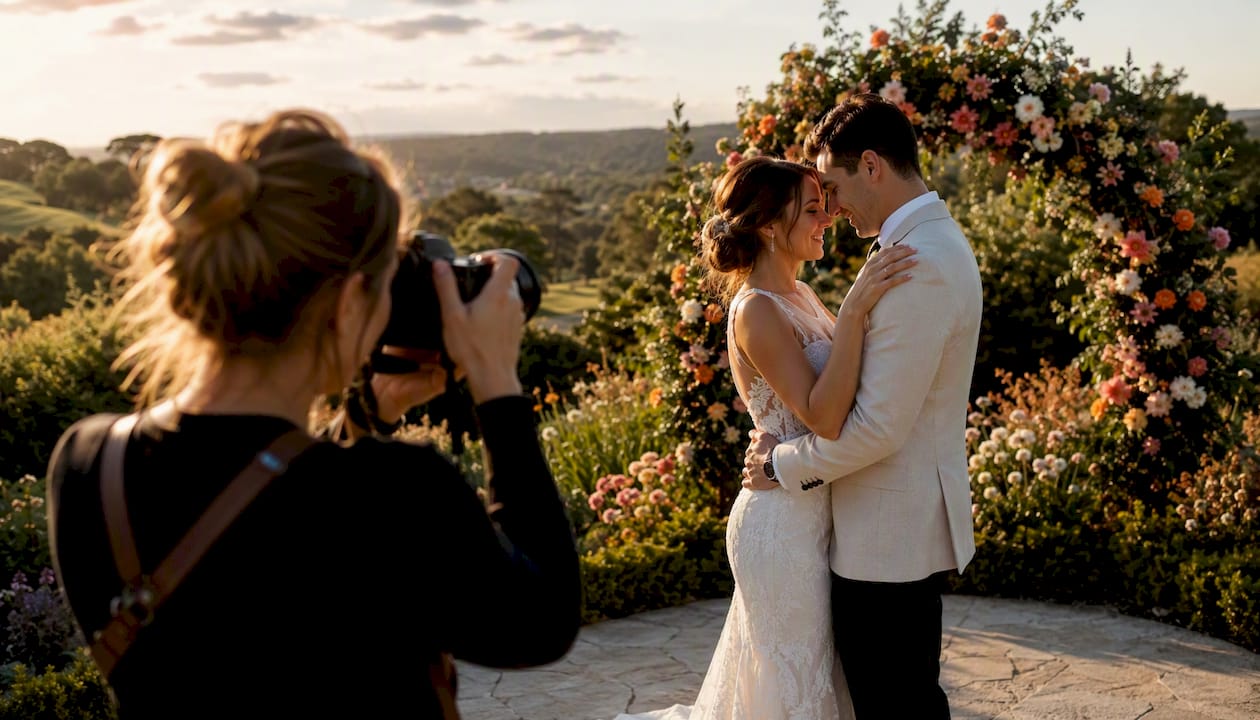
Natural light is the single biggest photographic advantage of an outdoor ceremony. Soft, directional light in the hour before sunset produces portraits that studio lighting struggles to match. Photographers who know Adelaide’s outdoor venues will schedule portrait time around the sun’s position relative to the ceremony space, often placing couples with their backs to the light source during vows to avoid squinting. The result is a gallery that looks effortless rather than engineered.
3. Personalisation that goes well beyond a standard package
Outdoor settings are largely blank canvases. Couples can bring in their own caterers, choose a nature-inspired wedding theme, arrange seating in the round, or set up a ceremony on a clifftop with no fixed infrastructure dictating the layout. Many Adelaide venues with outdoor spaces also allow couples to mix ceremony and reception areas across the property, creating a flow that feels curated rather than prescribed. That flexibility is harder to find in a venue where the function room determines the format.
4. A relaxed atmosphere that guests actually notice
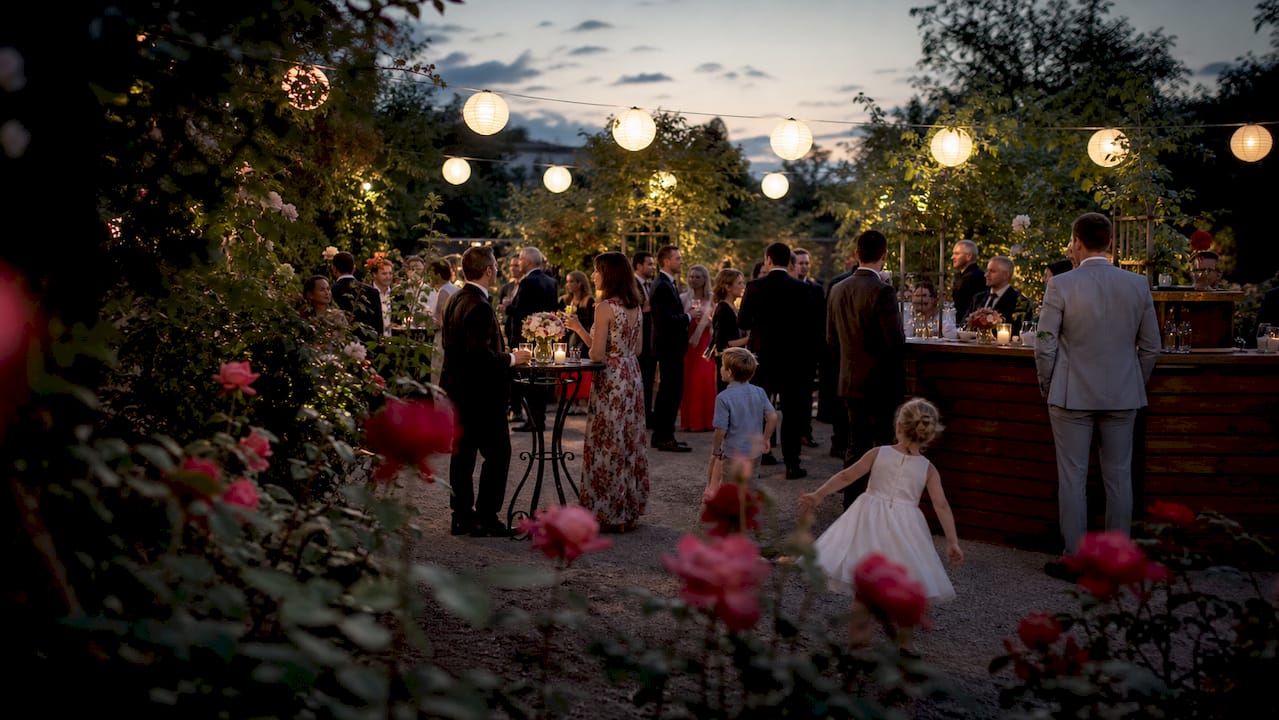
Something shifts when a ceremony happens outside. Guests tend to arrive more relaxed, conversations start more easily, and the formality that can make indoor receptions feel stiff simply does not take hold in the same way. Children have room to move. Older guests can step away from the crowd without leaving the event. The open air creates a social ease that couples often describe as one of the things they valued most in hindsight.
5. More space for activities and guest flow
Outdoor venues typically offer room for lawn games, cocktail areas, a separate ceremony space, and a reception zone without guests feeling compressed. This matters most for weddings above 80 guests, where an indoor venue’s single room can create bottlenecks at the bar, the dance floor, and the exit. Venue logistics research confirms that clear pathways between ceremony and reception spaces, combined with a pre-planned timeline, reduce the stress points that couples most often report after the event.
6. Potential cost savings in the right categories
Outdoor ceremonies can reduce spending on florals, centrepieces, and venue hire when couples choose a public park or a property they have access to. The savings are real but targeted. Where costs tend to rise is infrastructure: a professional PA system, specialist microphones, and reliable power are non-negotiable for open-air sound, and a silent generator is often needed as backup. Practical planning guides recommend allocating around 5–10% of your total budget to outdoor infrastructure — power, lighting, and wet-weather contingency — so the savings in décor do not quietly disappear into last-minute hire costs.
Pro Tip: When comparing venue quotes, ask specifically whether power access, portable restrooms, and a wet-weather backup space are included or separately quoted. Venues that bundle these items often represent better value than a lower headline price that leaves infrastructure costs open.
7. Seasonal and regional variety across Australia
Australia’s climate diversity means outdoor weddings work differently depending on where and when you marry. South Australia’s spring (September to November) and autumn (March to May) offer mild temperatures and reliable light. Coastal venues near the Fleurieu Peninsula suit late afternoon ceremonies when sea breezes moderate the heat. The Northern Territory and Queensland favour the dry season (May to September). Matching your season to your region is one of the more consequential outdoor wedding planning decisions couples make, and it shapes everything from guest attire to catering logistics.
8. Intimacy and connection to the natural environment
There is a quality to marrying outdoors that is difficult to articulate but easy to feel. The sound of wind through trees, the smell of the ocean, the warmth of late afternoon sun — these sensory details become part of the memory in a way that a climate-controlled room rarely achieves. For couples drawn to nature-inspired wedding ideas, the setting itself carries meaning that no amount of indoor theming can fully substitute.
9. Sustainability opportunities that indoor venues cannot match
Outdoor ceremonies naturally reduce reliance on artificial lighting and HVAC systems during the event itself. Couples can extend this advantage by choosing local native florals, commissioning seasonal menus from local producers, and using biodegradable confetti. The environmental benefit is genuine, though it requires deliberate choices — a marquee with diesel generators and imported florals can have a larger footprint than a well-managed indoor venue.
10. Accessibility considerations worth planning for early
Open-air settings can be genuinely accessible or genuinely difficult, depending on the terrain. Gravel paths, sloped lawns, and uneven ground create real barriers for guests using wheelchairs or mobility aids. Couples who prioritise accessibility should ask venues about sealed pathways, accessible restroom facilities, and shaded seating areas before committing. Getting this right early avoids the awkward situation of realising on the day that a beloved guest cannot reach the ceremony space.
Practical trade-offs and how to plan around them
Outdoor weddings carry five principal risks: weather, pests, limited facilities, noise restrictions, and insurance gaps. Each is manageable with the right preparation.
Weather is the most discussed risk and the easiest to mitigate structurally. A clear wet-weather plan — either a marquee on standby or a confirmed indoor backup space — is the single most effective step couples can take. Planning sources consistently identify a paid contingency option as the difference between a stressful day and a confident one. Confirm the backup arrangement in writing with the venue before signing anything.
Heat and sun exposure are underestimated risks at Australian summer weddings. Ceremonies scheduled at midday in January in South Australia can expose guests to temperatures above 35°C. Planning for high-temperature conditions means scheduling ceremonies later in the day, providing shade structures, placing water stations throughout the venue, and communicating attire guidance to guests in advance.
Insects and pests are a practical reality at garden and bushland venues. Mosquito coils, citronella candles, and insect-repellent stations near seating areas address the problem without requiring guests to manage it themselves. Catering teams should cover food between service, particularly at dusk.
Facilities often need supplementing. Portable restrooms have improved considerably in quality and are now available in configurations that suit formal events. Confirm the ratio of facilities to guest numbers with your hire company, and position them close enough to be convenient but far enough from the ceremony space to avoid noise and odour issues.
Noise restrictions vary by council and location. Most local councils in South Australia set curfews for amplified sound, typically between 10 PM and 11 PM on weekends, though this varies. Check the specific rules for your venue’s local government area well before the event date, and factor the curfew into your reception timeline.
Couples most often underestimate two things: the cost of getting power to a remote outdoor site, and the importance of a sealed path from the car park to the ceremony space. Both feel like details until the day arrives, and then they feel like everything. Scout the site at the same time of day as your ceremony, walk the full guest route, and ask the venue coordinator where the power access points are before you finalise your vendor list.
Pro Tip: When scouting an outdoor venue, bring your AV supplier with you. They will identify power access points, flag wind interference risks for microphones, and tell you whether a generator is needed — information that changes your budget before you commit, not after.
For insurance, outdoor events in public spaces or on private property without a venue’s own public liability cover require couples to arrange their own event insurance. Many venues require proof of cover before confirming a booking.
What Australian law requires for an outdoor ceremony
The legal framework is straightforward. Under the Marriage Act 1961, marriages can be solemnised at any place in Australia, and authorised celebrants are permitted to marry couples outdoors provided the statutory requirements are satisfied. Here is what couples need to action, in order:
- Give notice of intended marriage. The Notice of Intended Marriage (NOIM) must be lodged with your celebrant at least one month before the ceremony and no more than 18 months before. This is a legal requirement, not a formality.
- Confirm your celebrant’s availability and travel policy. Celebrants set their own travel fees for locations outside their standard area. Confirm this in writing early, particularly for regional or remote venues.
- Check council or park permits. Ceremonies in public parks, beaches, or conservation areas typically require a permit from the relevant local council or state parks authority. In South Australia, this includes venues within national parks managed by the Department for Environment and Water. Permit requirements, fees, and lead times vary — check early.
- Confirm insurance and noise curfew compliance. Establish whether the venue’s public liability insurance covers your event, or whether you need separate cover. Confirm the noise curfew for the location with the local council.
- Understand your celebrant’s obligations. Under the Attorney-General’s Department guidelines, celebrants must meet with both parties, retain the signed declarations, and ensure the ceremony includes the monitum (the legal words of marriage). The Code of Practice for marriage celebrants also requires celebrants to respect the social and cultural significance of the ceremony and to maintain current knowledge of support services for couples. A written service agreement covering travel, rehearsal attendance, and wet-weather procedures protects both parties.
For South Australian couples, understanding local venue rules and legalities before shortlisting locations saves time and avoids booking a site that cannot accommodate your guest numbers or ceremony format.
How outdoor settings affect your photos and ceremony timeline
Natural light is the biggest photographic advantage of marrying outdoors, but it requires deliberate scheduling to capture properly. The golden hour — the period roughly 30–60 minutes before sunset — produces warm, directional light that flatters skin tones and creates depth in portraits. Scheduling your ceremony to conclude just before golden hour means portraits happen at the best possible time without guests waiting.
| Season | Approximate sunset (Adelaide) | Suggested ceremony start |
|---|---|---|
| Summer (Dec–Feb) | Late evening (after 8 PM) | 5:30 PM |
| Autumn (Mar–May) | Early to mid-evening | 4:00 PM |
| Winter (Jun–Aug) | Late afternoon | 3:00 PM |
| Spring (Sep–Nov) | Mid to late evening | 4:30 PM |
Note: these are approximate guides based on Adelaide’s latitude. Confirm actual sunset times via the Bureau of Meteorology for your specific date.
During the ceremony itself, avoid positioning guests or the couple facing directly into the sun. A north-facing ceremony space in the afternoon places the sun behind guests and in the couple’s eyes. Your photographer will advise on orientation during a site visit, which is worth scheduling before your final venue decision.
Pro Tip: Ask your photographer to do a 15-minute solo scout of the venue at the same time of day as your ceremony, ideally in the same season. They will identify the best portrait locations, flag any harsh shadow areas, and give you a realistic portrait timeline — which is almost always shorter than couples expect.
For couples prioritising photography, Adelaideweddingvenues has a curated list of Adelaide venues optimised for sunset photography that takes the guesswork out of light planning.
Environmental benefits and pitfalls of outdoor weddings
Outdoor ceremonies carry genuine sustainability advantages. Using the natural environment as a backdrop removes the need for large-scale artificial décor, and open-air settings eliminate the energy cost of air conditioning and artificial lighting during daylight ceremonies. These are real reductions in resource use, not just marketing claims.
The pitfalls are equally real. Ceremonies in public parks or fragile coastal ecosystems can cause soil compaction, damage native vegetation, and leave waste that affects wildlife. Marquees with diesel generators can produce more emissions than a well-managed indoor venue. Transport to remote locations adds to the carbon footprint, particularly when guests are travelling from the city.
Practical steps to reduce impact:
- Choose local native florals from South Australian growers rather than imported blooms.
- Use biodegradable confetti or dried petals instead of synthetic alternatives.
- Set up clearly labelled waste stations (recycling, compost, landfill) and brief your catering team on waste separation.
- Offer a shuttle service from a central city point to reduce individual car trips to remote venues.
- Source seasonal menus from local producers — a good starting point is reviewing festive and seasonal menu options designed for outdoor events.
- For ceremonies in protected areas, confirm with the relevant authority that your event complies with environmental conditions attached to the permit.
A short note on sensitive ecosystems: some of South Australia’s most beautiful outdoor settings — coastal dunes, native bushland reserves, wetlands — are also the most ecologically fragile. Permit conditions for these areas often restrict guest numbers, prohibit staking into the ground, and require full waste removal. Read the permit conditions carefully before confirming a booking.
Is an outdoor wedding the right choice for you?
Outdoor weddings deliver unique, memorable experiences when couples plan deliberately for the known trade-offs. The natural setting, photographic advantages, and relaxed atmosphere are genuine benefits that most couples who choose them do not regret. The risks — weather, facilities, noise, accessibility, and cost surprises — are all manageable with early planning and the right vendor team.
If you are ready to move forward, these are the immediate next steps:
- Confirm your priorities: scenery, photography, guest comfort, or cost savings — knowing which matters most shapes every other decision.
- Lock your celebrant and venue early, particularly for spring and autumn dates in South Australia, which book out well in advance.
- Build a wet-weather plan before you finalise the venue, not after.
- Budget 5–10% of your total spend for outdoor infrastructure: power, lighting, portable facilities, and AV.
- Check council permit requirements for your chosen location as soon as you have a date in mind.
Couples in South Australia can use the Adelaideweddingvenues directory to shortlist outdoor venues with the right amenities, wet-weather options, and accessibility features already filtered.
What photographers and venue professionals wish couples knew
The most consistent advice from photographers who work across Adelaide’s outdoor venues comes down to timing and access. Couples who schedule portrait time to coincide with golden hour, and who give their photographer a confirmed run sheet at least two weeks before the day, consistently get better galleries than those who leave timing flexible. The light window is short — often 20–30 minutes of genuinely ideal conditions — and it cannot be recovered if the ceremony runs late.
From a venue logistics perspective, the detail that catches couples most off guard is vendor access. Outdoor venues often have narrow access roads, weight restrictions on certain paths, or time windows for delivery vehicles. Catering teams, AV suppliers, and florists all need to know these constraints before the day. A venue walk-through with all key vendors present, ideally six to eight weeks before the wedding, surfaces these issues while there is still time to solve them.
Accessibility is the other area where early planning pays off. A venue that looks accessible on a website can have gravel paths, steps between ceremony and reception spaces, or portable restrooms positioned on uneven ground. Couples who ask the venue coordinator to walk the full guest route with accessibility in mind — from the car park to the ceremony space to the reception area — avoid the situation of discovering a problem on the day.
Adelaideweddingvenues is built with input from photographers and venue professionals who understand these details. The directory’s venue guides for Adelaide outdoor settings include practical notes on vendor access, power availability, and backup indoor spaces — the information that changes a good outdoor wedding into a great one.
Find your outdoor venue through Adelaideweddingvenues
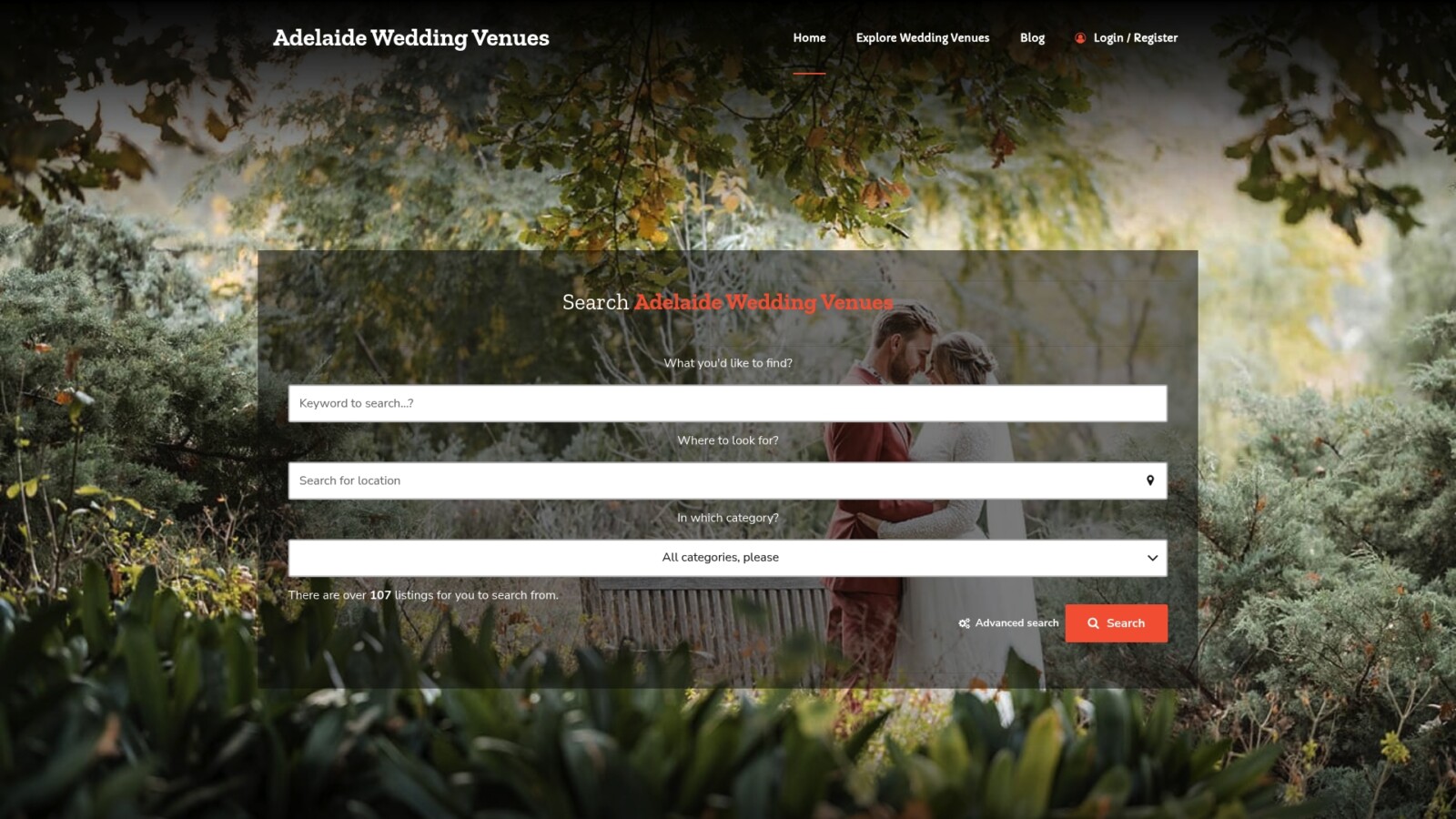
Shortlisting outdoor venues in Adelaide and South Australia is faster when the infrastructure details are already visible before you make a single enquiry. Adelaideweddingvenues is a searchable directory of venues across the region, maintained by wedding industry professionals with direct knowledge of local sites. You can filter by outdoor venue type, guest capacity, available amenities, and wet-weather backup options — so the venues you contact already meet your core requirements.
The practical difference: instead of visiting six venues to discover which ones have on-site power, accessible pathways, and a confirmed indoor backup, you arrive at each visit already knowing the answer. That saves time and reduces the risk of falling in love with a venue that cannot support your guest list or your logistics.
To start, choose your ideal venue type — beach, garden, vineyard, bushland — then apply the wet-weather backup and accessibility filters to narrow the list to venues that genuinely fit your plan.
Sources
Key references for couples planning an outdoor wedding in Australia:
- Guidelines for the Marriage Act 1961: authorised celebrants
- Marriage Act 1961 (as at 5 December 2025) — text
- Outdoor Wedding Planning Checklist: Everything You Need for a Flawless Ceremony and Reception – Avocados Perth | Cafe Bar | Accommodation | Wedding Venue
FAQ
What are the main pros and cons of an outdoor wedding?
The main advantages are natural scenery, better natural light for photography, a relaxed guest atmosphere, and flexible personalisation. The main trade-offs are weather unpredictability, the need for infrastructure (power, portable restrooms, AV), potential noise curfews, and accessibility challenges on uneven terrain.
Is an indoor or outdoor wedding better?
Neither is universally better — it depends on your priorities. Outdoor ceremonies offer a natural setting and photographic advantages that indoor venues cannot replicate, but they require more logistical planning and a clear wet-weather contingency. Couples who value flexibility and natural beauty and are willing to plan for the trade-offs tend to find outdoor weddings more memorable.
Why do people choose to get married outside?
Most couples choose outdoor ceremonies for the natural backdrop, the relaxed atmosphere, and the photographic quality of natural light. Under the Marriage Act 1961, authorised celebrants can marry couples at any location in Australia, which gives couples genuine freedom to choose a setting that reflects who they are.
What is the least popular month to get married in Australia?
June and July are consistently the quietest months for weddings in Australia, largely because of cooler temperatures and shorter days in southern states. For outdoor ceremonies in South Australia, this means fewer venue availability constraints and sometimes lower hire costs, though heating and shelter become important considerations.
