
TL;DR:
- Heritage wedding venues offer authentic historic architecture and cultural value that modern spaces lack.
- Careful assessment of practical factors like licensing, accessibility, and infrastructure ensures a smooth wedding day.
Heritage wedding venues are defined as historically significant properties that retain authentic architecture, original features, and cultural value, making them distinct from purpose-built event spaces. The best examples of heritage wedding venues span Victorian manor houses, restored 16th-century barns, Wesleyan chapels, and civic court buildings, each offering couples a setting with genuine character that no modern venue can replicate. For engaged couples and event planners, understanding the range of options, along with the practical realities of booking them, is the difference between a dream day and an avoidable headache. This guide covers the most compelling venue types, with real examples and planning advice drawn from documented historic properties.
1. Classic manor houses and grand estates
Manor houses represent the most recognisable category of historic wedding sites, combining sweeping grounds with period architecture that photographs beautifully in every season. Worsell Manor, with buildings dating to 1683 and a restored 300-year-old barn set on more than 50 acres, illustrates exactly what this category offers: colonial architecture, original fireplaces, exposed beams, and ceremony seating for up to 200 guests. That scale matters because it means manor houses suit both intimate gatherings and larger celebrations without sacrificing atmosphere.
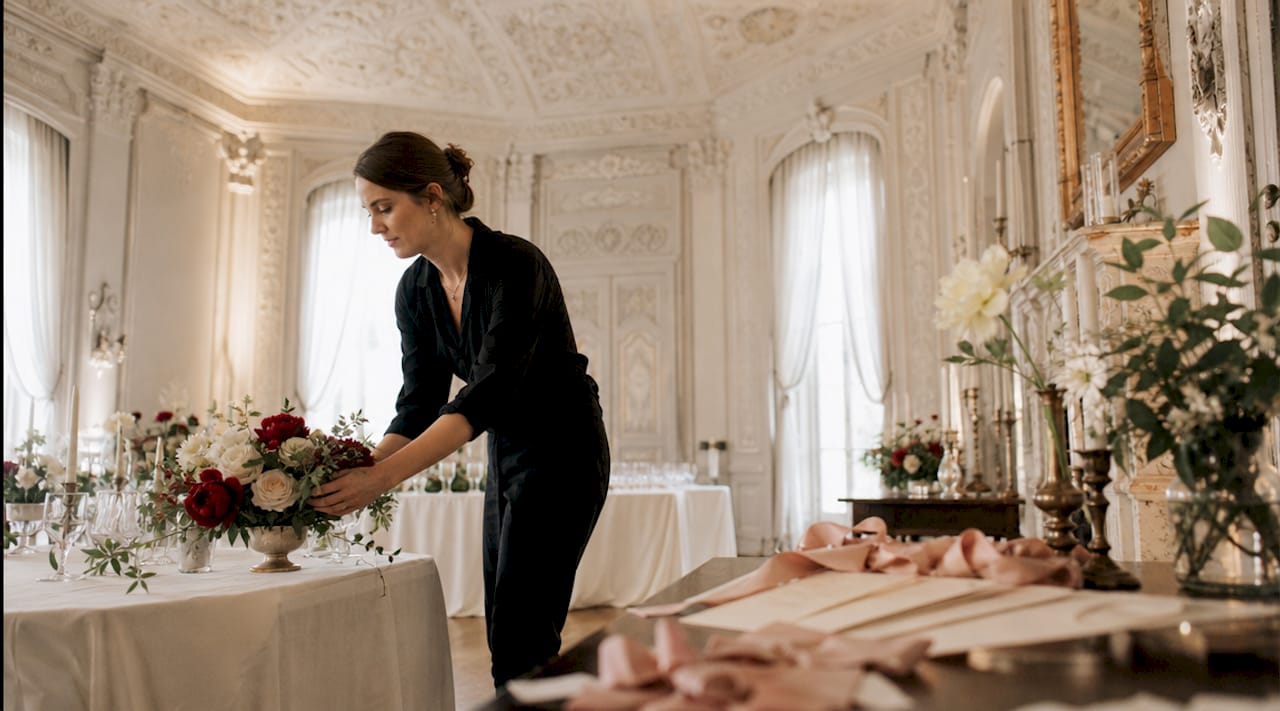
The grounds of a grand estate serve a practical purpose beyond aesthetics. Expansive gardens provide natural separation between ceremony, cocktail hour, and reception spaces, reducing the crowded feel that plagues smaller venues. Original architectural details, such as stone staircases, arched doorways, and period fireplaces, also reduce the need for heavy floral or décor budgets because the venue does much of the visual work itself.
Key features to look for in this category include:
- Original structural features such as beams, stone walls, or period fireplaces
- Grounds large enough to separate event zones
- On-site accommodation for the wedding party
- Capacity that scales across ceremony, dining, and evening celebration
Pro Tip: Ask the venue coordinator specifically which modern amenities, such as catering kitchens, accessible bathrooms, and power supply, have been integrated into the historic fabric. Older estates sometimes lack the infrastructure for large catering operations, and discovering this late in the planning process creates unnecessary stress.
2. Heritage barns and rustic farmsteads
Barn venues occupy a distinct space in the heritage category because their appeal is rooted in agricultural history rather than aristocratic grandeur. Hawke Barn, a Devon farmstead with origins in the 16th century, accommodates up to 60 guests with exclusive use of its historic buildings and luxury holiday cottages on site. That exclusive-use model is common among heritage barn venues and is one of their strongest selling points: couples effectively take over a private historic property for their celebration.
Rustic farmstead venues suit couples who want warmth and intimacy over formality. Exposed timber frames, stone floors, and countryside settings create a relaxed atmosphere that encourages guests to linger. The trade-off is that heritage barn capacities often vary significantly depending on the event type. Godwick Hall’s Great Barn, for example, holds 120 for a ceremony, 150 seated at a wedding breakfast, and 200 for an evening party once tables are cleared. Planning around these transitions is non-negotiable.
Practical considerations specific to barn venues include:
- Confirm whether the venue holds a current events licence and alcohol licence
- Check noise restrictions, particularly for outdoor amplified music and live bands
- Assess car parking capacity relative to your guest list
- Understand heating and ventilation arrangements for cooler months
- Clarify whether catering must be sourced from an approved supplier list
Pro Tip: Heritage barns in conservation areas often sit under strict noise bylaws. Ask for the exact licence conditions in writing before signing a contract, not after.
3. Historic chapels and religious heritage sites
Chapels represent the most intimate end of the heritage venue spectrum, and they attract couples who want a ceremony space with genuine spiritual and architectural history without the formality of a full church service. The Harbour Chapel, a restored 1764 Wesleyan Chapel in Dunbar, East Lothian, is a standout example of adaptive reuse done thoughtfully. The venue incorporates bespoke lighting crafted from original organ pipes and tabletops made from the building’s own reclaimed floorboards. Those details are not decorative choices; they are the building’s history made functional.
The Harbour Chapel positions itself explicitly for couples who do not want to be centre-stage, which reflects a genuine gap in the market. Not every couple wants a grand ballroom or a sweeping estate. Some want a space that feels considered, quiet, and full of meaning. Historic chapels deliver that atmosphere in a way that purpose-built venues simply cannot.
Features that define this category include:
- Intimate seating capacity, typically under 100 guests
- Original architectural elements such as stained glass, stone floors, or timber pews
- Adaptive reuse of historic features into functional décor
- Settings suited to understated, elegant ceremonies
The limitation worth acknowledging is that chapels rarely offer on-site catering or reception space. Most couples pair a chapel ceremony with a separate reception venue nearby, which adds a logistical layer to the planning process but also allows for creative combinations of two distinct heritage spaces.
4. Town halls, court buildings, and civic heritage venues
Civic heritage venues offer a category of historic wedding sites that is often overlooked in favour of rural estates, yet they deliver architectural grandeur and practical convenience in equal measure. The Sessions House, a Grade II listed mid-19th-century magistrates court, provides ceremony, reception, and evening celebrations within a single historic building. That all-in-one structure is a genuine advantage for couples who want to avoid the logistical complexity of multi-venue days.
The aesthetic of civic buildings is distinct from manor houses or barns. Courtrooms, grand staircases, vaulted ceilings, and carved stone facades create a stately atmosphere that suits couples drawn to urban heritage rather than rural charm. Central locations also mean better transport links, easier access for elderly guests, and proximity to city accommodation for out-of-town visitors.
| Feature | Civic heritage venue | Rural manor or barn |
|---|---|---|
| Location | Central urban or town setting | Rural or semi-rural |
| Transport access | Strong, often near public transport | Limited, car-dependent |
| All-in-one capacity | Frequently yes | Varies by property |
| Atmosphere | Stately, formal, architectural | Romantic, rustic, natural |
| Noise restrictions | Moderate, managed by venue | Often stricter bylaws |
Ranger’s House, an 18th-century Georgian villa managed through Lettice Events, offers a comparable urban heritage experience with Renaissance art, antique furnishings, and standing capacity for up to 80 guests. It holds both a venue licence and an alcohol licence, which simplifies the planning process considerably.
5. Heritage village and garden settings
Heritage villages represent a less common but genuinely distinctive category of vintage wedding locations. Willow Bank Heritage Village in Nelson, New Zealand, provides a village-style backdrop with multiple character buildings and garden spaces that allow flexible, intimate celebrations. The multi-building format means guests can move naturally between spaces, which creates a relaxed, organic flow that single-room venues cannot replicate.
Garden settings within heritage properties also offer something that indoor venues cannot: natural light and seasonal beauty as part of the backdrop. Couples planning outdoor ceremonies within heritage gardens should confirm whether the venue has a wet-weather contingency plan and whether that plan maintains the same aesthetic standard as the primary setup.
The venue amenities available at heritage village settings vary widely. Some properties have invested in modern catering facilities and accessible pathways while preserving their historic character. Others remain largely unchanged and require couples to bring in external infrastructure. Clarifying this early saves significant time and budget.
6. What practical factors should couples consider?
Choosing a heritage venue based on photographs alone is one of the most common planning mistakes couples make. Historic venues balance unique atmosphere with practical limitations including parking, power supply, floor load capability, and accessibility, all of which require direct assessment before booking.
Noise compliance is a particular concern at heritage sites. Licence conditions at Grade II listed venues can include caps on dhol drumming, restrictions on outdoor amplified music, and strict set-up timing rules. These are not negotiable conditions. They are legal requirements tied to the property’s listing status and neighbourhood obligations. Couples planning live music, DJs, or cultural percussion should request the exact licence conditions in writing before committing.
Key practical factors to assess before signing a contract:
- Noise restrictions: exact permitted hours, music types, and decibel limits
- Parking: capacity relative to guest numbers and proximity to the venue
- Accessibility: pathways, bathrooms, and entrances for guests with mobility needs
- Power supply: whether the venue can support catering equipment, lighting rigs, and audio systems
- Curfews: the latest permitted time for music, bar service, and guest departure
- Preservation rules: restrictions on decorations, open flames, confetti, and external structures
Pro Tip: Ask the venue manager for a copy of their event licence and any recent licence review outcomes. This document tells you exactly what is and is not permitted, and it is far more reliable than a verbal assurance during a site visit. The key factors guide from Adelaideweddingvenues covers this in detail for couples at the early planning stage.
Key takeaways
Heritage wedding venues deliver authentic atmosphere and cultural significance that modern purpose-built spaces cannot match, provided couples assess practical constraints with the same care they give to aesthetics.
| Point | Details |
|---|---|
| Venue type diversity | Heritage venues span manors, barns, chapels, civic buildings, and village settings, each with distinct character. |
| Capacity planning | Capacities often differ across ceremony, dining, and evening formats, requiring careful guest flow planning. |
| Licence conditions | Noise, music, and timing restrictions are legally binding at listed properties and must be confirmed in writing. |
| Infrastructure checks | Power supply, parking, and accessibility vary significantly in older buildings and require direct assessment. |
| Aesthetic value | Original features such as beams, stone floors, and period art reduce décor costs and create timeless photography. |
Why heritage venues reward couples who do their homework
I have spent years working with couples across South Australia and beyond, and the pattern I see most often is this: couples fall in love with a heritage venue on a Saturday afternoon site visit, sign the contract within a week, and then spend the following six months discovering the constraints they did not ask about. The venue was not dishonest. The couple simply did not ask the right questions.
The heritage venues that create genuinely memorable weddings are the ones where the building’s history becomes part of the story the couple tells. A chapel where the floorboards became the tabletops. A barn where the original 16th-century timbers frame the first dance. A civic court where the grandeur of the architecture makes the ceremony feel weighty and significant. Those details are not incidental. They are the reason couples choose these spaces over a blank-canvas function room.
My honest advice is to treat the practical assessment as seriously as the emotional one. Visit the venue at the time of day your ceremony will take place. Ask about the worst-case noise scenario. Walk the path your elderly guests will take from the car park to their seats. The venues that handle these questions openly and confidently are the ones worth booking. The ones that deflect or minimise are telling you something important.
Heritage venues also reward couples who plan their venue selection with a clear sense of their priorities before they start visiting. Knowing whether atmosphere, capacity, location, or budget is the primary driver makes the shortlisting process far more efficient and far less emotionally exhausting.
— Steven
Discover heritage and unique venues through Adelaideweddingvenues
Adelaideweddingvenues maintains a curated directory of wedding venues across Adelaide and South Australia, including properties with genuine heritage character, historic architecture, and cultural significance. The platform allows couples and event planners to filter by venue type, location, capacity, and features, making it straightforward to identify heritage options that match a specific vision and budget.
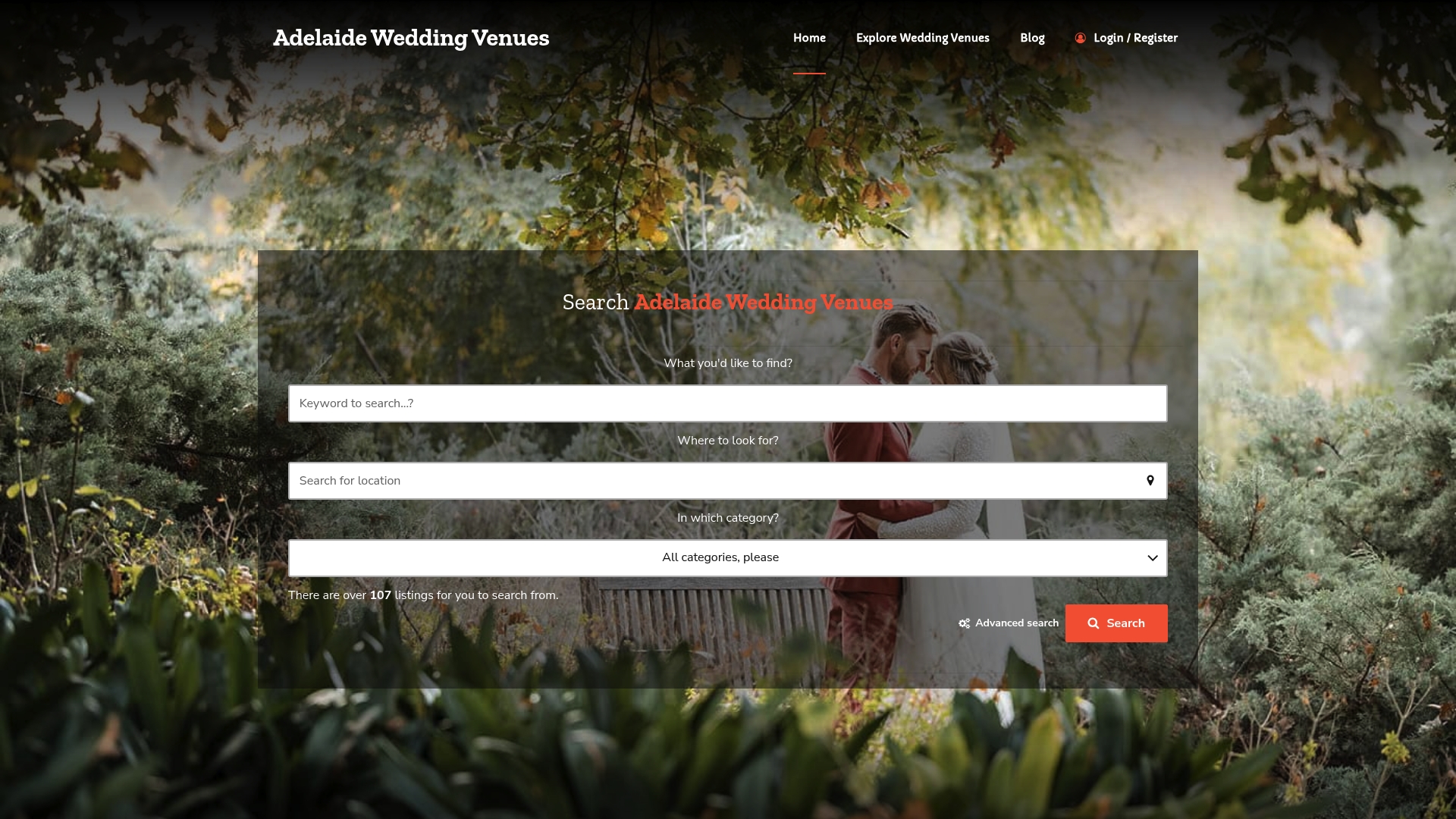
Whether you are drawn to a restored stone building, a heritage garden setting, or a charming historic hall, the directory gives you a practical starting point with detailed listings and direct venue contact options. For couples ready to move from inspiration to decision, the ideal venue guide on Adelaideweddingvenues walks through every consideration from rustic barns to heritage estates in one place.
FAQ
What is a heritage wedding venue?
A heritage wedding venue is a historically significant property, such as a manor house, barn, chapel, or civic building, that retains original architectural features and cultural value. These venues are distinct from purpose-built event spaces because their character comes from genuine history rather than designed aesthetics.
Are heritage venues suitable for large weddings?
Yes, though capacity varies considerably by venue type and event format. Barn and hall venues often accommodate different numbers for ceremonies, seated dinners, and evening receptions, so couples should confirm all three figures before booking.
Do heritage venues have noise restrictions?
Most listed heritage venues operate under specific licence conditions that restrict music timing, amplified sound, and certain instrument types. Couples should request the full licence document from the venue before signing any contract.
Can heritage venues accommodate guests with accessibility needs?
Accessibility varies significantly across older properties. Some have invested in ramps, accessible bathrooms, and level pathways, while others retain original layouts that present challenges. Reviewing venue amenities and conducting a dedicated accessibility walkthrough during the site visit is strongly recommended.
What makes heritage venues worth the extra planning effort?
Heritage venues provide authentic atmosphere, original architectural features, and a sense of place that modern venues cannot replicate. For couples who value cultural significance and timeless photography, the additional planning considerations are a worthwhile trade-off.
Recommended
- Unique wedding venues in Adelaide: examples for every style
- Say ‘I Do’ in Style: A Guide to Choosing the Perfect Wedding Venue – Adelaide Wedding Venues
- Top wedding venue trends shaping 2026 celebrations
- The Symbolism Behind Traditional Wedding Venues: A Cultural Exploration – Adelaide Wedding Venues
