
An all-inclusive wedding venue gives you one price, one team and far fewer suppliers to chase down. That single fact is why so many couples choose this route: less admin, a clearer budget, and one contact who already knows how your day is meant to run.
The advantages of all-inclusive venues come down to three things: time, cost clarity, and fewer moving parts. Instead of booking a caterer, a florist, a hire company and an AV technician separately, you sign with one venue that bundles all of it together.
Here’s what that typically means for you:
- Convenience – one coordinator manages timelines, deliveries and setup instead of you juggling five contracts
- Cost clarity – per-head or package pricing gives you a predictable total early in planning
- Fewer suppliers – less risk of a florist and a caterer both showing up at the wrong time
- Onsite logistics handled – furniture, AV and pack-down are already sorted by staff who work the space every week
- Built-in contingency – in-house teams and backup suppliers step in fast if something goes wrong
Couples with guest lists over roughly 75 people, tight schedules, or simply a preference for a less hands-on planning process tend to benefit most from an all-inclusive setup.
Pro Tip: If you’re comparing venues, ask each one for a written breakdown of exactly what’s included per head before you compare prices. A cheaper quote that excludes furniture hire or staff overtime isn’t actually cheaper.
What “all-inclusive” usually covers and common variations
Every all-inclusive venue defines the term slightly differently, which is exactly why it trips couples up during comparisons. The core inclusions are fairly consistent, but the extras and exclusions vary a lot from one contract to the next.
Most all-inclusive wedding packages include:
- Ceremony and reception spaces (sometimes as separate areas on one site)
- Catering and bar service, either buffet, plated or grazing style
- Tables, chairs, linens and basic styling elements
- AV equipment for speeches, music and lighting
- A dedicated coordinator or event manager
- Setup and pack-down handled by venue staff
- Accommodation on-site or nearby, in some regional or resort-style venues
Where packages differ is in the extras. Menu tastings, premium florals, external supplier allowances, corkage fees and cake-cutting charges are often optional add-ons rather than automatic inclusions. Some venues cap the number of tastings you get, or charge a flat fee if you want to bring in your own celebrant, photographer or florist instead of using their preferred list.
When you read a contract, look for the word “standard” next to any inclusion. It usually signals there’s a premium version available at extra cost. If you have your heart set on a particular external supplier, the venue’s amenities and services list should tell you upfront whether outside vendors are permitted at all, and under what conditions.
Pro Tip: Ask the venue directly: “If I bring my own supplier for X, is there a fee, and does it change what’s included in the base package?” That single question surfaces most hidden exclusions in one go.
How each advantage actually plays out during planning
The benefits of all-inclusive venues sound good in a brochure, but the real value shows up in the details of how your planning actually unfolds.
Convenience and a single point of contact. Instead of coordinating a caterer’s delivery time, a hire company’s drop-off, and a florist’s setup window separately, one coordinator manages the whole sequence. All-inclusive venues simplify planning by consolidating multiple suppliers into one team, which means fewer emails, fewer scheduling clashes, and one person who knows your run sheet inside out.
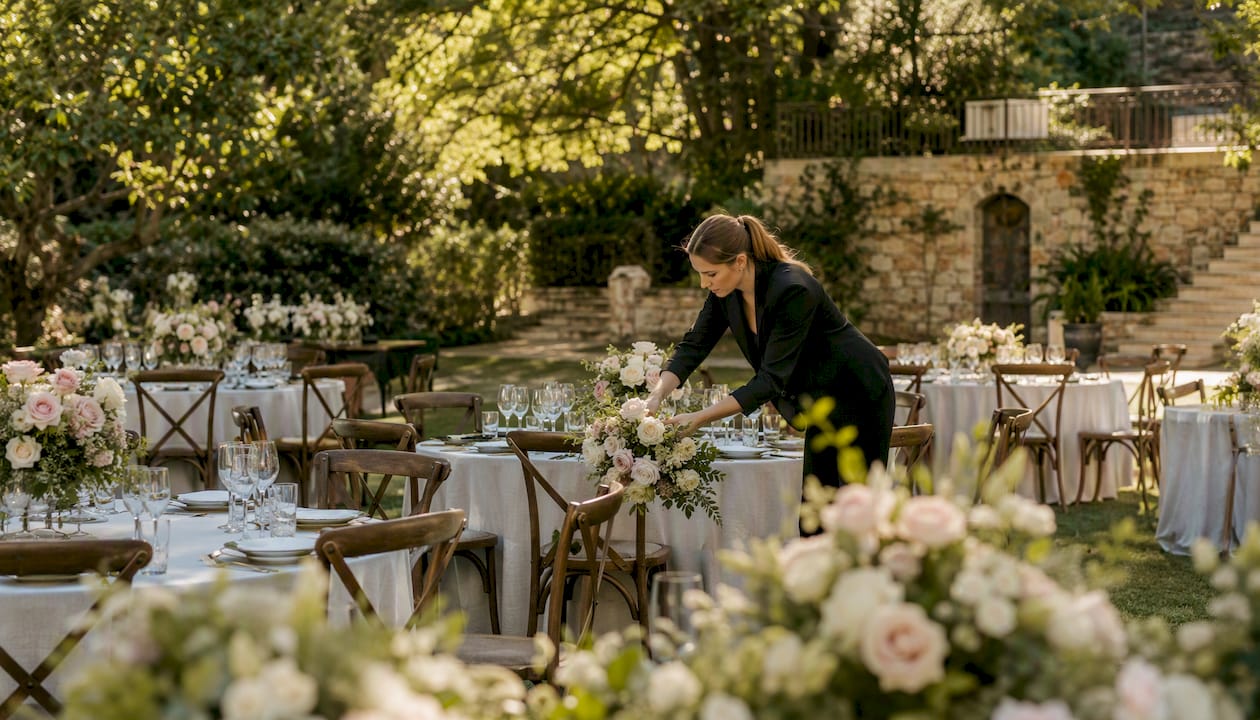
Predictable budgeting through per-head pricing. For a 150-guest reception, a per-head rate lets you calculate your base cost in minutes rather than adding up quotes from six different vendors. Per-head pricing is a common all-inclusive model, and it also tends to produce fewer surprise fees than assembling a wedding vendor by vendor, because the venue has already priced in staffing, cleaning and standard equipment.

Operational reliability on the day. A venue’s in-house team already knows the kitchen, the AV setup and the room flip between ceremony and reception. That familiarity reduces day-of risk because nobody is learning the space for the first time on your wedding day. Established venues also tend to have backup suppliers on call, so a last-minute vendor issue rarely becomes a crisis.
Time savings and lower stress. Coordinated tasting sessions are a good example: instead of separate meetings with a caterer, then a cake supplier, then a stylist, many venues bundle tastings and planning meetings into fewer combined appointments. Couples report meaningful time savings and reduced stress when a venue team handles vendor selection and coordination, freeing up energy for the parts of planning that are actually enjoyable.
Pro Tip: You don’t have to sacrifice personality for efficiency. Ask your coordinator which parts of the package are flexible, menus, florals, and cultural touches are commonly worked into all-inclusive packages without losing any of the operational benefits.
| Point | Details |
|---|---|
| Single coordinator | One contact manages timelines and deliveries instead of you chasing five separate suppliers. |
| Per-head cost forecasting | Multiply the per-head rate by expected guests for a fast, comparable base cost. |
| Lower day-of risk | In-house staff already know the venue’s kitchen, AV and room flow, reducing logistical errors. |
| Faster tastings and meetings | Combined tasting sessions cut down the number of separate appointments couples need to attend. |
Where all-inclusive packages fall short
No package is perfect for every couple, and it’s worth going into venue tours with realistic expectations about the trade-offs.
The most common drawbacks couples run into:
- Less supplier choice – you may be limited to a preferred vendor list for florals, photography or celebrants
- Package limits – guest number caps, curfews, or fixed timeslots that don’t flex easily
- Up-charges for custom items – bespoke menus, specialty florals or unusual AV requests often cost extra
- Reduced negotiating room – bundled pricing can make it harder to drop an item you don’t need and save money
These trade-offs sit alongside real cost risks that are easy to miss on a first read of a quote. Common trade-offs with all-inclusive venues include less flexibility around suppliers and occasional added fees for anything outside the standard package, so it pays to ask about every line item before you sign.
Corkage, external vendor fees, overtime rates after a set finish time, cake-cutting charges, and service surcharges on public holidays are the five costs most likely to appear on a final invoice that wasn’t obvious on the original quote.
If you’re planning a highly customised wedding, a small micro-wedding under 30 guests, or you simply want to hand-pick every vendor yourself, a venue-only or dry-hire arrangement may suit you better than an all-inclusive package. It gives up the convenience, but it hands you full control over every choice.
How pricing works and what to compare on quotes
Understanding how all-inclusive pricing is structured makes it far easier to compare quotes that look completely different on paper.
Most venues price packages one of two ways. Per-head pricing charges a set rate multiplied by your guest count, which scales naturally as your numbers change. Flat-fee pricing charges one total regardless of guest count, usually up to a stated maximum, which can work out cheaper for larger weddings but riskier if your numbers run smaller than expected. Many venues also apply a minimum spend, meaning you’ll pay a set floor amount even if your guest list falls under it, plus a service charge or gratuity percentage added on top of the quoted total.
Run through this checklist on every quote you receive:
- What’s included per head, and what counts as an “extra”?
- Is there a guest minimum, and what happens if you fall under it?
- How many hours of venue access are included, and what does overtime cost per hour?
- Are AV equipment and staffing ratios specified, or left vague?
- Is a service charge or gratuity already built into the quoted price?
- Who handles pack-down, and is there a fee if the event runs late?
Pro Tip: Model two numbers side by side: your expected guest count and your realistic maximum. If a per-head quote looks great at 100 guests but jumps significantly at 130, you want to know that before your RSVPs come in, not after.
Questions to ask before you sign
A short list of direct questions in your venue meeting will surface almost everything a glossy brochure leaves out.
Ask these before you commit:
- Exactly what is included per head, and what’s charged separately?
- Is there a minimum or maximum guest number attached to this package?
- What’s the overtime rate if the reception runs past the included hours?
- Can we bring in external suppliers, and is there a fee for doing so?
- How is food service timed around speeches and other run-sheet moments?
- What’s your contingency plan if a supplier or staff member can’t make it on the day?
- Can you provide a sample contract and a timeline from a recent wedding?
- Are there any recent couples who’d be willing to share their experience?
Ask for a written sample contract and a real event timeline, not just a verbal summary. Seeing how a previous wedding’s run sheet was structured tells you far more about the venue’s actual process than any sales pitch does.
Pro Tip: Turn this list into a physical or digital checklist you bring to every venue tour. Adelaideweddingvenues’ wedding planning checklist is built for exactly this kind of side-by-side comparison.
How to verify a venue’s claims before you commit
Marketing photos and glowing package descriptions only tell you so much. The real test is what a venue can actually show you when you ask.
Before booking, request:
- References or contact details from couples married there in the last 12 months
- Recent, unedited event photos rather than curated hero shots
- A sample day-of timeline showing how ceremony, reception and vendor arrivals are sequenced
- Details on staff experience and how long the coordination team has worked at that venue
- A clear explanation of their backup plan if a key supplier drops out close to the date
Genuine in-house capability usually shows up in small, consistent details: kitchen photos that match the venue’s actual space rather than stock imagery, a planner who replies with specifics rather than generic reassurance, and branding that’s consistent across their venue accessibility information, their photos, and their contract language.
Pro Tip: In reviews, look for mentions of specific staff names, repeated praise for the same coordinator, or comments about “our second wedding here as a supplier.” Those details usually indicate a venue that runs weddings regularly, not one that occasionally hosts events between other bookings.
All-inclusive versus venue-only: which suits you?
The right choice depends less on budget and more on how much control you want over individual decisions, and how much time you have to make them.
All-inclusive venues hand off supplier selection, coordination and most logistics to one team. Venue-only or dry-hire arrangements give you the physical space and let you hire every other element independently, catering, styling, furniture, AV, on your own terms.
| Factor | All-inclusive venue | Venue-only |
|---|---|---|
| Time required to plan | Low to moderate | High |
| Supplier choice | Limited to preferred or in-house list | Fully open |
| Cost predictability | High, especially with per-head pricing | Lower, depends on vendor quotes |
| Best guest count fit | 75+ guests | Any size, especially smaller weddings |
| Best for | Busy couples wanting one contact | Couples wanting full creative control |
A couple planning a 180-guest wedding around demanding work schedules will usually save significant time going all-inclusive, since one contract replaces five or six separate vendor negotiations. A couple planning an intimate 25-guest ceremony with a very specific creative vision, on the other hand, often gets a more bespoke result from picking every supplier themselves, even if it takes longer.
When we usually recommend an all-inclusive venue
In my experience reviewing venues across Adelaide Wedding Venues, the couples who get the most out of an all-inclusive package are the ones under real time pressure, working full-time, planning interstate, or juggling a wedding alongside other major life events. For them, the value isn’t just financial; it’s the mental space that comes from handing logistics to a team that runs weddings every weekend.
I’d caution against assuming all-inclusive automatically means less personal. The venues that do it well still let you bring in cultural traditions, distinctive menus and personal touches within the package structure. Where I do see couples get caught out is skipping the fine print on guest minimums and overtime rates, the two line items that most commonly turn a “great value” quote into an unwelcome final invoice.
Finding and comparing all-inclusive venues without the runaround
Working through venue websites one by one to figure out who actually offers what is the single slowest part of this process, and it’s exactly the problem a directory is built to solve.
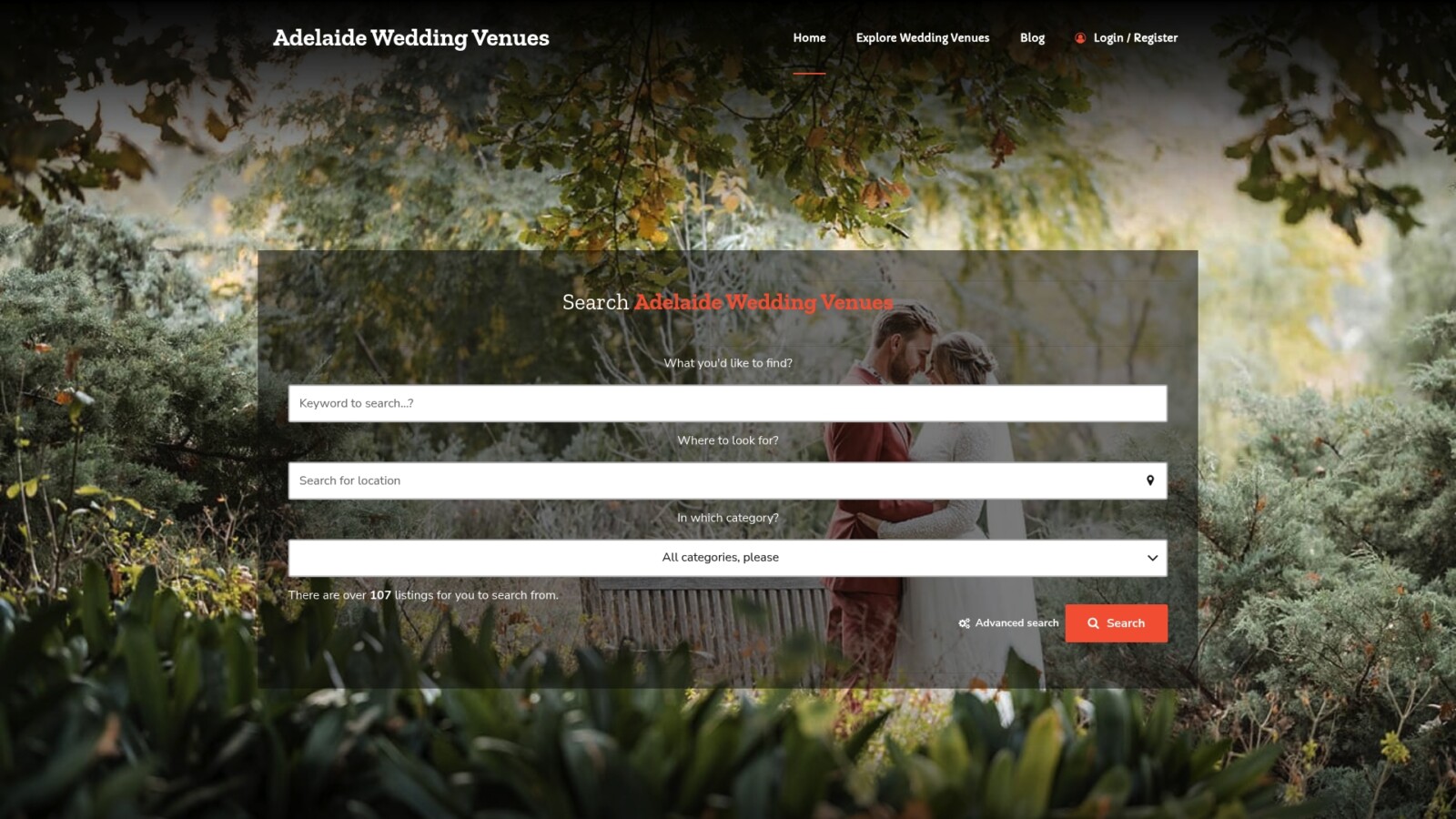
Adelaideweddingvenues lets you filter listings by inclusions, guest capacity and price range in one search, instead of opening a dozen separate venue websites and cross-referencing PDFs by hand. Each venue profile lays out what’s genuinely included, so you can shortlist based on real inclusions rather than marketing language, and the contact forms let you request a quote without a phone call for every venue on your list. If you’re comparing all-inclusive options against venue-only spaces, start with the venue selection guide to narrow your shortlist, then use the directory’s filters to request quotes from the venues that fit your guest count and budget.
Rapid recap: the advantages and next steps
Choosing an all-inclusive venue works best when you weigh its convenience and cost clarity against the trade-offs in supplier choice and package flexibility.
| Point | Details |
|---|---|
| One team, one price | All-inclusive venues consolidate suppliers into a single contact and a predictable total cost. |
| Per-head pricing forecasts fast | Multiply the rate by your expected guest number for a reliable baseline budget. |
| Watch for package limits | Guest minimums, overtime rates and external supplier fees are the most common hidden costs. |
| Ask for proof before signing | Request sample contracts, real timelines and recent couple references before you commit. |
| Compare venues in one place | Adelaideweddingvenues lets you filter by inclusions, guest size and price to shortlist all-inclusive venues faster. |
Next steps if you’re ready to move forward:
- Shortlist three to five venues that match your guest count and budget
- Request sample contracts and a recent event timeline from each
- Book a tour or tasting before comparing final quotes
- Save the questions checklist from this guide and bring it to every meeting
Sources
- All-Inclusive Vs. Dry-Hire Wedding Venues: Which Is Right For You?
- Are All-Inclusive Wedding Packages Worth It? – Confetti + Co Events
- Ultimate Guide to All-Inclusive Wedding Packages: What’s Covered?
- Is an All-Inclusive Wedding Venue Worth It? – Bella Sera
FAQ
What are the advantages of an all-inclusive venue?
The main advantages are convenience, cost clarity and fewer suppliers to coordinate, since one team handles catering, furniture, AV and setup under a single contract.
What are common pitfalls of an all-inclusive venue?
Guest number caps, overtime charges past included hours, and fees for bringing in external suppliers are the pitfalls that most often surprise couples on a final invoice.
What is actually included in an all-inclusive package?
Most packages cover the ceremony and reception space, catering and bar service, furniture and linens, AV equipment, a coordinator, and setup and pack-down, though extras like premium florals or tastings often cost more.
How do I compare all-inclusive venue quotes fairly?
Compare the per-head or flat rate alongside guest minimums, included hours, staffing ratios and whether service charges are already built into the total, using tools like Adelaideweddingvenues’ filters to line quotes up side by side.
Is an all-inclusive venue better than venue-only?
Neither is universally better. All-inclusive suits couples with larger guest lists or limited planning time, while venue-only suits couples who want to hand-pick every supplier themselves.
