
Choosing a wedding venue in South Australia can feel overwhelming when you’re faced with hundreds of options ranging from rustic barns to beachside estates. The sheer variety of settings, styles and price points often leaves couples and planners struggling to organise their search effectively. This guide breaks down the essential venue categories, explains South Australia’s unique offerings, and provides practical frameworks to help you categorise and shortlist venues with confidence. By understanding how venues are classified and what each category offers, you’ll streamline your planning process and find the perfect setting for your celebration.
Key Takeaways
| Point | Details |
|---|---|
| Main venue types | Indoor, outdoor and specialty venues form the core categories guiding planning and selection. |
| SA subcategories | In South Australia you can explore rural farmland settings, urban spaces, botanical gardens, coastal locations, historic estates and winery venues. |
| Practical checklists | Practical checklists and comparison tools help shortlist venues efficiently. |
| Seasonal planning | Outdoor venues benefit from weather contingency planning with marquee hire or indoor backup spaces. |
| Micro wedding nuance | Micro weddings and unique venues add nuance to category choices. |
Understanding core wedding venue categories in South Australia
Wedding venues in South Australia are primarily categorised into three main types: indoor venues, outdoor venues, and specialty venues. Each category offers distinct advantages and planning considerations that shape your entire wedding experience.
Indoor venues include reception halls, ballrooms, historic mansions, converted warehouses, and art galleries. These spaces provide climate control and weather certainty, making them popular choices for year-round weddings. The McLaren Vale region features several converted warehouses that blend industrial charm with modern amenities, whilst Adelaide’s CBD offers elegant ballrooms with city skyline views. Indoor venues typically include built-in infrastructure like kitchen facilities, lighting systems, and furniture, which can simplify vendor coordination and reduce rental costs.
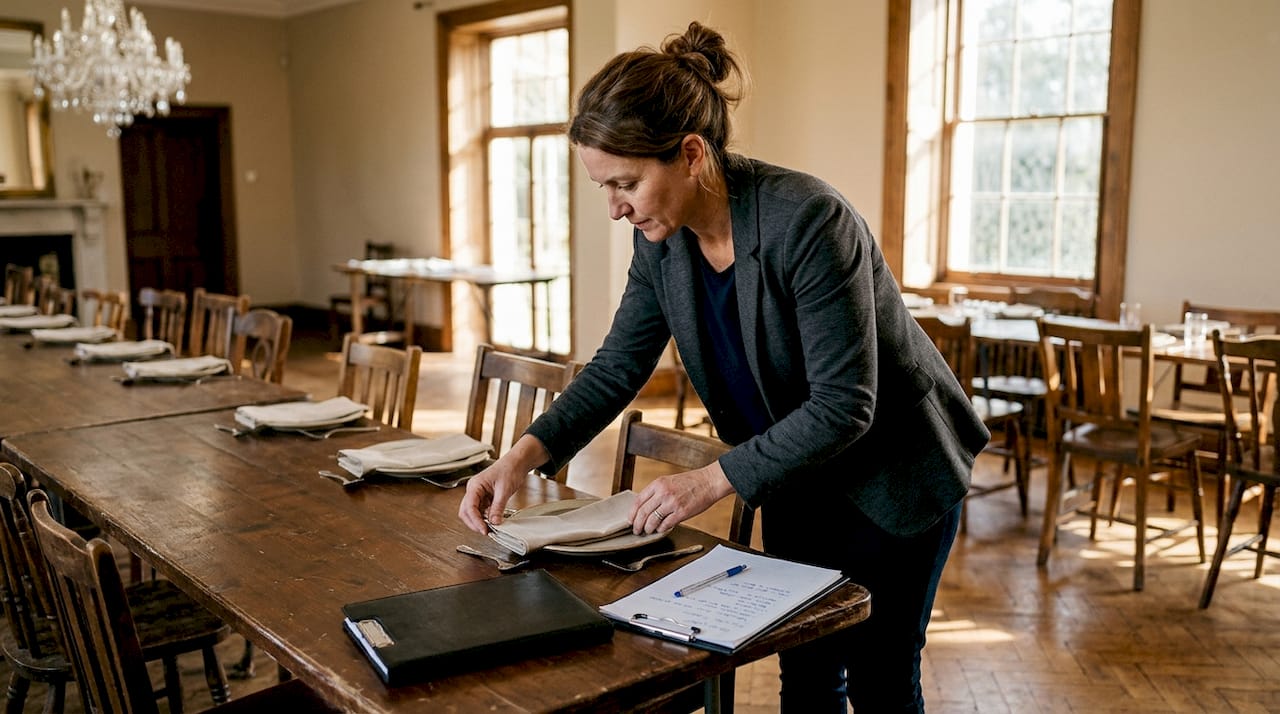
Outdoor venues encompass garden settings, wineries and vineyards, beachfront locations, rural properties, and national parks. South Australia’s Mediterranean climate makes outdoor celebrations particularly appealing from October through April. The Barossa Valley’s vineyard landscapes provide stunning backdrops with established outdoor ceremony spaces, whilst the Adelaide Hills offer garden venues surrounded by native bushland. These settings require careful weather contingency planning, including marquee hire or indoor backup spaces, but deliver unmatched natural beauty and photographic opportunities.
Specialty venues include heritage buildings, museum spaces, theatres, cultural centres, and unique architectural landmarks. Adelaide’s rich colonial history means couples can access beautifully preserved estates and public buildings with distinctive character. The Art Gallery of South Australia and various heritage-listed properties offer exclusive settings that make a strong style statement. These venues often come with specific restrictions around décor, catering, and timing due to conservation requirements or operational schedules. Wedding venue strategies for South Australian couples 2026 emphasise matching your wedding style to the venue category that naturally supports your vision.
Pro Tip: Visit potential venues during the same season and time of day as your planned wedding to accurately assess lighting, temperature, and ambient conditions.
Exploring South Australia’s unique venue subcategories and settings
South Australia-specific categories include rural farmland settings, urban spaces, botanical gardens, historic estates, coastal locations, and winery venues. These subcategories reflect the state’s diverse landscapes and cultural heritage, offering couples distinctive options beyond standard venue types.
Rural farmland settings deliver rustic charm with working farms, barn conversions, and pastoral properties throughout the Adelaide Hills, Fleurieu Peninsula, and regional areas. These venues appeal to couples seeking relaxed, country-style celebrations with authentic agricultural backdrops. Many include accommodation options for multi-day celebrations and provide flexibility for personalised styling. The logistics require consideration of guest transport, particularly for elderly attendees or those travelling from metropolitan areas.
Urban spaces encompass contemporary city venues like rooftop bars, loft conversions, and modern event centres in Adelaide’s CBD and inner suburbs. These settings suit couples wanting sophisticated, cosmopolitan celebrations with easy guest access via public transport. Urban venues often provide comprehensive packages including catering, beverages, and coordination services, which streamlines planning but may limit customisation options.
Botanical gardens and natural landscaped environments offer manicured beauty with established gardens, water features, and diverse plant collections. The Adelaide Botanic Garden and regional botanic spaces provide stunning ceremony locations with built-in visual appeal requiring minimal additional decoration. These public spaces typically require permits and have strict regulations around setup times, noise levels, and alcohol service.
Historic estates showcase elegant architecture from South Australia’s colonial and Victorian eras, featuring grand homesteads, formal gardens, and heritage-listed buildings. Carrick Hill and similar properties deliver timeless elegance with architectural significance. Conservation requirements may restrict candle use, wall fixtures, and certain décor elements, requiring creative planning within heritage guidelines.
Coastal locations provide ocean backdrops along South Australia’s extensive coastline, from metropolitan beaches to remote coastal reserves. The Fleurieu Peninsula’s clifftop venues and beachside parks offer dramatic natural settings. Wind conditions, tide timing, and limited infrastructure require thorough contingency planning. Unique wedding venues in Adelaide examples showcase how couples successfully navigate these environmental considerations.
Winery venues combine vineyard landscapes with established hospitality infrastructure, particularly concentrated in the Barossa Valley, McLaren Vale, and Adelaide Hills wine regions. These venues typically offer on-site accommodation, experienced event staff, and premium local wines. Harvest season timing may affect availability, and rural locations require organised guest transport.
How to categorise and shortlist wedding venues effectively
Effective venue categorisation starts with guest count, budget, and timing, then matches these to priorities like weather risk, logistics, vibe, and bundled services. This systematic approach transforms an overwhelming search into a manageable shortlisting process.
-
Define your fundamental parameters by confirming your guest count range, total venue budget including hire fees and minimum spends, preferred wedding date or season, and ceremony plus reception timing requirements. These non-negotiable factors immediately eliminate unsuitable venues.
-
Identify your priority features by ranking what matters most: weather protection versus outdoor ambiance, proximity to accommodation, in-house catering versus external caterers, styling flexibility, and included amenities like furniture, lighting, and sound systems.
-
Research broadly across 8-12 venues spanning different categories to understand the market and establish realistic expectations for your budget tier. Use online directories with filtering tools to efficiently browse options matching your basic criteria.
-
Create a standardised comparison framework using a simple table or spreadsheet to evaluate each venue consistently across key factors.
| Venue name | Capacity | Base cost | Weather backup | Catering flexibility | Vendor restrictions | Accommodation |
|---|---|---|---|---|---|---|
| Example Winery | 120 | $8,000 | Indoor room | In-house only | Approved list | 12 rooms on-site |
| Coastal Reserve | 150 | $3,500 | Marquee required | External allowed | None | Nearby hotels |
| Heritage Estate | 100 | $6,500 | Indoor backup | Approved caterers | Heritage rules | 8 rooms on-site |
-
Shortlist 3-5 venues after initial research by eliminating options that don’t meet your essential criteria or fall outside your budget comfort zone. This focused list makes site visits productive rather than overwhelming.
-
Schedule venue visits during similar conditions to your wedding timing, bringing your comparison checklist to assess practical details like parking accessibility, guest flow between ceremony and reception spaces, and vendor load-in logistics.
Pro Tip: Request detailed floor plans and ask about exclusive use periods to understand exactly when you gain access for setup and when you must complete pack-down, as these timing constraints significantly impact your vendor scheduling.
Wedding planning checklist 2026 for South Australian couples provides templates for comparing venues systematically. Wedding venue budgeting checklist South Australia 2026 helps you understand the true cost beyond advertised hire fees, including minimum beverage spends, overtime charges, and required insurance.
Nuances, trends and special cases in South Australian wedding venues
Micro-weddings have surged in popularity, with venues like Wildman Farm’s barn accommodating 50 guests and Faithwood Chapel serving as a registry alternative. Legal compliance under the Major Events Act 2013 and zoning regulations via the SA Planning Portal affect certain venue types, particularly those in residential areas or heritage zones.
Micro-wedding venues cater specifically to intimate celebrations of 20-60 guests, offering personalised service and unique settings that larger venues cannot provide. These smaller-scale events allow couples to invest more per guest in premium food, beverages, and personalised touches whilst maintaining overall budget control. Barns, private dining rooms, boutique galleries, and residential properties have adapted to serve this growing market segment. The planning considerations differ significantly from traditional weddings, with less emphasis on crowd management and more focus on creating memorable individual experiences.
Unusual venues like farms hosting blacksmith classes or deconsecrated churches offer distinctive appeal but require extra logistics planning. These hybrid spaces combine event hosting with other primary functions, creating scheduling complexity and unique operational constraints. Art studios, working farms, industrial workshops, and cultural institutions increasingly welcome weddings as secondary revenue streams.
Weather contingencies remain critical for outdoor and semi-outdoor venues, with couples needing clear contractual agreements about backup spaces and marquee requirements. South Australia’s variable spring weather means October and November weddings particularly benefit from comprehensive wet-weather plans. Some venues include marquees in their hire fee, whilst others require external rental at significant additional cost.
Vendor restrictions vary widely across venue categories, with some historic estates and winery venues maintaining approved supplier lists for catering, photography, and entertainment. These limitations protect venue interests and ensure service quality but may prevent couples from engaging preferred vendors. Always clarify vendor policies during initial enquiries to avoid disappointing discoveries after booking.
Heritage limitations affect décor installation, with restrictions on wall fixings, candle use, confetti, and structural modifications common at protected buildings. The National Trust and Heritage South Australia provide guidelines for events at listed properties. Couples choosing heritage venues should budget additional time and creativity for styling that respects conservation requirements whilst achieving their aesthetic vision.
“The rising micro-wedding trend addresses budget constraints whilst hybrid venues offer unique appeal, but both require extra logistics planning compared to traditional event spaces.”
Zoning regulations impact residential properties and rural venues hosting weddings, with local councils imposing limits on guest numbers, noise levels, and event frequency. The SA Planning Portal provides zoning information, but couples should request written confirmation from venues about their legal operating status and any conditional approvals affecting your event.
Pro Tip: For unconventional venues, request evidence of public liability insurance, liquor licensing, and council approvals before paying deposits, as operating without proper permissions can result in last-minute cancellations beyond the venue’s control.
Discover your ideal South Australian wedding venue today
Finding the perfect venue becomes straightforward when you understand how to categorise and compare your options systematically. Explore All Adelaide Wedding Venues to compare South Australian options by category. Adelaide Wedding Venues showcases hundreds of South Australian wedding locations across every category discussed in this guide, from elegant ballrooms to rustic farmland settings.
Our platform provides expert guides for choosing your ideal wedding venue based on your specific style preferences and budget parameters. The guide to choosing the perfect wedding venue walks you through decision frameworks tailored to South Australian couples. Access our wedding planning checklist 2026 for South Australian couples to organise your venue search with professional tools developed by wedding industry experts. Explore our comprehensive directory today to discover venues matching your vision, compare options side by side, and connect directly with venue coordinators who understand your planning needs.
Frequently asked questions
What are the main types of wedding venues in South Australia?
The three primary categories are indoor venues (ballrooms, warehouses, galleries), outdoor venues (gardens, wineries, beaches), and specialty venues (heritage buildings, museums, theatres). South Australia also offers distinctive subcategories including rustic farmland settings, contemporary urban spaces, botanical gardens, historic estates, coastal locations, and winery venues across premium wine regions. Each category provides different ambiance, logistics requirements, and budget considerations.
How can I shortlist wedding venues effectively in South Australia?
Start by defining your guest count, budget, and preferred timing, then research 8-12 venues across different categories to understand available options. Create a comparison table evaluating capacity, costs, weather backup, catering flexibility, vendor restrictions, and accommodation. Focus on venues meeting your essential criteria and shortlist 3-5 options for detailed site visits. Use standardised checklists during visits to assess practical details like parking, guest flow, and setup access.
What unique venue types are popular for South Australian weddings?
Micro-wedding venues like intimate barns, private chapels, and boutique dining spaces accommodate 20-60 guests with personalised service. Hybrid venues including art studios, working farms with experiential elements, and deconsecrated churches offer distinctive character beyond traditional event spaces. Coastal clifftop locations, vineyard estates with on-site accommodation, and botanical gardens with established landscapes remain consistently popular. Heritage properties and contemporary urban rooftops provide contrasting aesthetics for different wedding styles.
What planning considerations apply to outdoor wedding venues in South Australia?
Outdoor venues require comprehensive weather contingency plans, including marquee hire or indoor backup spaces with clear contractual terms. Consider seasonal timing carefully, as South Australia’s Mediterranean climate favours outdoor events from October through April but requires wind and temperature management. Verify infrastructure availability including power access, toilet facilities, and vendor load-in areas. Budget for additional rental items like lighting, heating or cooling, and weatherproof flooring that indoor venues typically provide as standard.
How do heritage venue restrictions affect wedding planning?
Heritage-listed properties commonly restrict wall fixings, open flames, confetti, and structural modifications to protect historical integrity. Some estates limit catering equipment, require approved caterers familiar with heritage kitchens, and impose strict bump-in and bump-out schedules. Décor planning requires creativity to achieve your aesthetic vision within conservation guidelines, often using freestanding installations rather than fixed elements. Always request detailed restriction lists during initial enquiries and confirm insurance requirements, as heritage venues typically mandate higher public liability coverage.
