
Planning your wedding guest list often feels overwhelming when you’re balancing family expectations, budget constraints, and venue capacity. Many Adelaide couples struggle to decide who deserves an invitation, how to handle plus-ones fairly, and when to draw the line with extended relatives. This guide walks you through practical strategies for creating a manageable guest list that honours your relationships whilst keeping stress levels low. You’ll discover clear criteria for invitations, effective RSVP tracking methods, and diplomatic approaches to navigate family dynamics without compromising your vision for the celebration.
Key Takeaways
| Point | Details |
|---|---|
| Plus one rules | Define clear plus one eligibility based on relationship seriousness and guest familiarity to avoid awkward invitations. |
| Clear invitation criteria | Set fair, consistent criteria to prevent hurt feelings and endless debates about who should be invited. |
| RSVP tracking plan | Use a master spreadsheet to track invitations, RSVP responses, meal choices and dietary requirements. |
| AB list approach | Invite from the A list first and use the B list only if space permits to maximise attendance. |
Determining who to invite: setting your guest list criteria
Creating fair, consistent criteria prevents hurt feelings and endless debates. Start by defining your plus-one eligibility rules based on relationship seriousness and guest familiarity. Couples in committed relationships typically receive automatic plus-ones, whilst casual dates usually don’t make the cut. Your wedding party members deserve plus-ones regardless of relationship status because they’ve invested significant time supporting your celebration.
Consider these essential factors when building your criteria:
- Venue capacity limits that dictate maximum attendance numbers
- Per-head catering costs that directly impact your overall budget
- Guest connections to other attendees affecting their comfort level
- Family obligations balanced against friendship priorities
- Travel distance for guests coming from interstate or overseas
| Guest category | Plus-one eligibility | Reasoning |
|---|---|---|
| Married/engaged couples | Automatic | Established partnerships deserve recognition |
| Long-term partners (1+ years) | Automatic | Serious relationships warrant inclusion |
| Wedding party members | Automatic | Recognises their significant contribution |
| Casual dates (under 6 months) | Case-by-case | Depends on budget and space availability |
| Single guests who know many attendees | Usually not offered | Already have built-in social connections |
| Single guests who know few people | Consider offering | Helps them feel comfortable and included |
Pro Tip: Document your guest list rules in a shared spreadsheet with your partner before sending any save-the-dates. This creates accountability and prevents inconsistent decisions that lead to awkward conversations later.
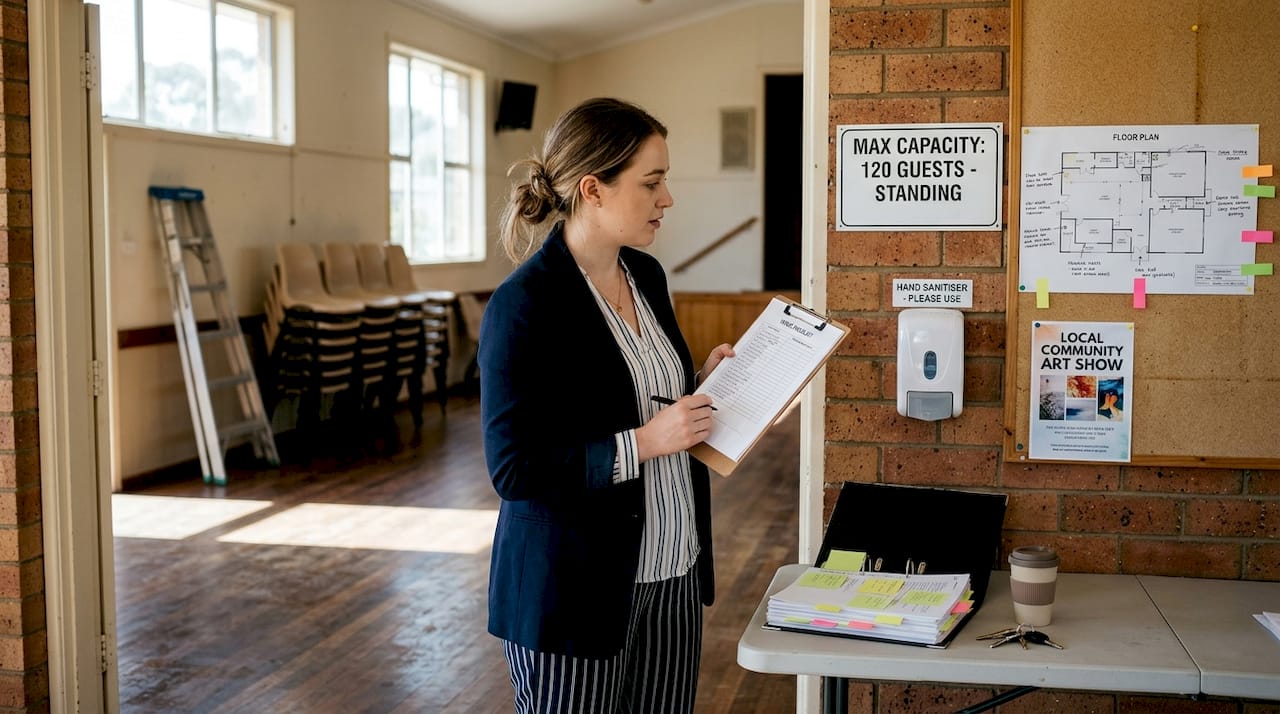
Your venue checklist for wedding day planning should align with your final guest count. Some Adelaide venues work beautifully for intimate gatherings of 50 guests, whilst others feel empty without 150 attendees. Visit potential spaces with your estimated numbers in mind to visualise the atmosphere.
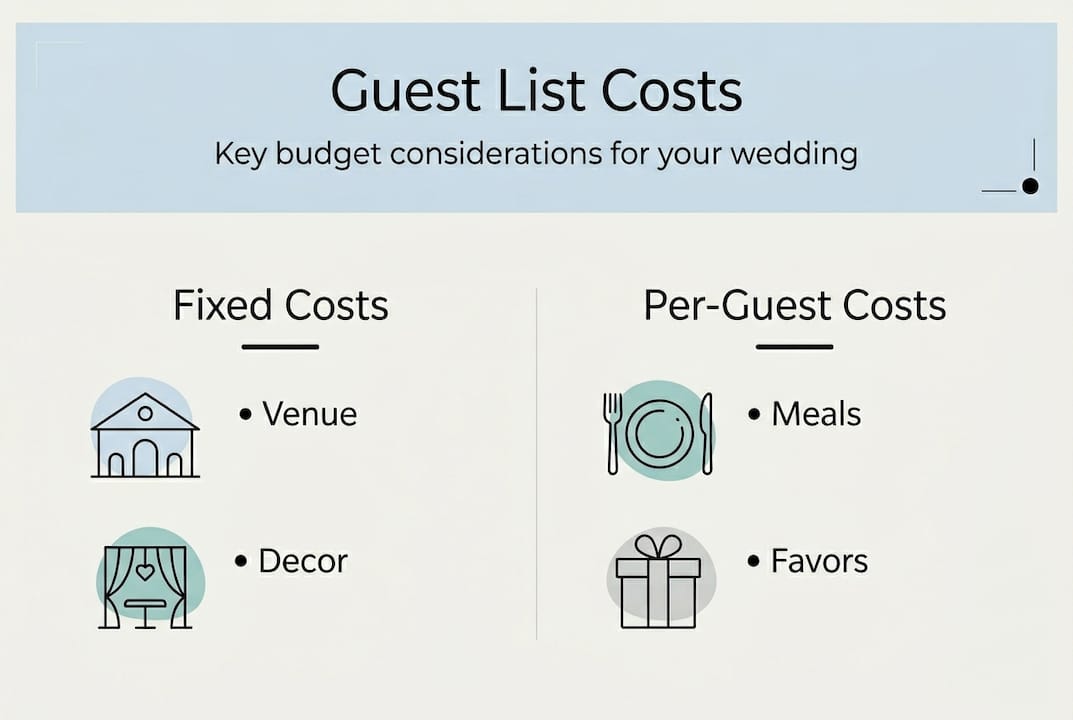
Budget realities often force difficult choices. Calculate your per-person cost including meals, beverages, favours, and service charges. Multiply this figure by potential guest counts to see how numbers directly affect your bottom line. Many couples discover that cutting 20 guests frees up funds for upgraded catering or better photography.
Family size disparities between partners can create tension. If one partner has 40 first cousins whilst the other has five, strict 50/50 splits feel unfair. Instead, allocate invitations based on total relationship circles, giving more slots to the partner with larger family networks. This approach acknowledges reality whilst maintaining overall balance.
Managing invitations and RSVP logistics effectively
Systematic invitation management prevents chaos as your wedding date approaches. Follow these steps to maintain control:
- Send save-the-dates six to eight months before the wedding for local guests, earlier for destination attendees
- Mail formal invitations eight to ten weeks prior with clear RSVP deadlines
- Create a master spreadsheet tracking invitation status, RSVP responses, meal choices, and dietary requirements
- Set your RSVP deadline three to four weeks before the wedding to allow catering finalisation
- Send personal reminders to non-responders one week after the deadline via text or email
- Confirm final numbers with your venue and caterer at least two weeks before the celebration
The A/B list strategy helps manage capacity intelligently. Your A-list includes must-invite guests who receive immediate invitations. The B-list contains people you’d love to include if space permits. As A-list guests decline, you send B-list invitations with appropriate timing. This approach maximises attendance without exceeding capacity.
Unexpected plus-ones create awkward situations requiring diplomatic responses:
- Respond promptly and personally rather than ignoring the assumption
- Explain venue capacity constraints honestly without apologising excessively
- Offer to add them to a waitlist if cancellations occur
- Remain firm but warm in your communication tone
- Redirect the conversation to your excitement about seeing the invited guest
Pro Tip: Include a specific number of seats reserved on your RSVP cards, such as “We have reserved 2 seats in your honour.” This subtle wording clarifies exactly who’s invited without seeming harsh.
Digital RSVP systems through wedding websites streamline tracking and reduce postal costs. These platforms automatically update your guest list, send reminder emails, and compile dietary restrictions. However, older relatives may prefer traditional response cards, so consider offering both options.
Guests who RSVP yes then cancel last-minute create financial waste since you’ve already paid for their meals. Your contract with caterers typically requires final numbers days before the event. Build a small buffer into your headcount, perhaps adding three to five extra meals to accommodate unexpected situations without major expense.
Some couples implement RSVP incentives like early-bird cocktail hours or priority seating selection for prompt responders. Whilst creative, these tactics can feel transactional. Instead, make responding easy and convenient. Your questions for wedding venue should include their flexibility with final headcount adjustments.
Navigating family dynamics and social considerations at your wedding
Family expectations often clash with couple preferences, creating tension during planning. Parents who contribute financially may expect input on the guest list. Establish boundaries early through respectful conversations that acknowledge their perspective whilst asserting your final authority. Explain your vision, budget constraints, and venue limitations clearly.
Balance competing interests with these strategies:
- Allocate specific invitation quotas to each family unit to distribute fairly
- Prioritise immediate family and close friends over distant relatives and acquaintances
- Consider hosting separate celebrations for extended networks if budget allows
- Stand united as a couple when facing external pressure from either side
- Compromise on truly important relationships whilst holding firm on peripheral connections
Seating arrangements significantly impact guest experience and social dynamics. Singles seated with friends rather than other singles enjoy the celebration more fully. Avoid creating designated singles tables that feel isolating or awkward. Instead, mix relationship statuses at each table based on shared interests, work connections, or friendship groups.
| Seating approach | Guest experience | Social flow |
|---|---|---|
| Singles with established friend groups | High comfort, natural conversation | Excellent, builds on existing relationships |
| Singles table with strangers | Low comfort, forced interaction | Poor, feels like setup attempts |
| Mixed relationship statuses by interests | Moderate to high comfort | Good, creates new connections naturally |
| Strict couples-only tables | Excludes singles, feels cliquish | Fair, but limits social mixing |
“The most successful seating plans consider guest personalities and connections rather than relationship status alone. When singles sit with friends they already know, they participate more actively in the celebration and report higher satisfaction with the event.” Wedding planners consistently emphasise this people-first approach.
Your creating the perfect seating plan becomes easier when you understand guest relationships deeply. Map out who knows whom before assigning tables. Place extroverts strategically to energise quieter tables. Separate guests with known conflicts or uncomfortable histories.
Pro Tip: Offer livestream access for elderly relatives, overseas friends, or immunocompromised loved ones who cannot attend physically. This inclusive gesture maintains connections without stretching your venue capacity or budget.
Children at weddings divide couples into firm camps. If you prefer an adults-only celebration, communicate this decision clearly on invitations using phrases like “We’ve reserved an adults-only evening for your enjoyment.” Expect some parents to decline, and accept this consequence gracefully. Alternatively, embrace children fully rather than creating arbitrary age cutoffs that feel inconsistent.
Ex-partners and complicated relationships require careful consideration. Your comfort matters most on your wedding day. If an ex-partner remains genuinely close friends with your social circle, their exclusion might create more drama than their presence. Evaluate each situation individually based on current relationship dynamics rather than past history.
Cultural expectations around guest lists vary significantly across communities. Some cultures expect extended family invitations as non-negotiable, whilst others focus narrowly on immediate circles. When partners come from different cultural backgrounds, negotiate these expectations early and find compromises that honour both traditions appropriately.
Plan your guest list with the perfect Adelaide wedding venue
Your guest list directly influences venue selection, making this decision foundational to successful planning. Browse All Adelaide Wedding Venues to compare options suited to your final guest count. Adelaide offers diverse wedding spaces accommodating intimate gatherings through grand celebrations. Matching your confirmed guest count with appropriate venue capacity ensures comfortable spacing without empty corners or cramped conditions.
Explore choosing your ideal wedding venue options that align with your finalised numbers. Smaller guest lists open possibilities for boutique wineries and historic homes, whilst larger celebrations suit established reception centres and hotel ballrooms. Consider how your venue choice affects guest experience, from parking availability to accessibility features.
Adelaide Wedding Venues provides comprehensive listings across the region, helping you discover spaces matching your specific requirements. Browse unique wedding venues in Adelaide that offer distinctive character for memorable celebrations. Our wedding planning checklist coordinates venue selection with guest list finalisation for streamlined organisation.
“The right venue naturally accommodates your guest list without forcing compromise on atmosphere or budget. When space, style, and numbers align perfectly, both planning and celebration become significantly more enjoyable.”
FAQ
How do I decide who gets a plus-one?
Offer plus-ones to married or engaged couples, long-term partners, wedding party members, and guests who won’t know many other attendees. Casual dates and coworkers typically don’t qualify unless you’re particularly close. Base decisions on relationship seriousness and guest comfort rather than arbitrary rules.
What if family members pressure me to invite more people?
Have direct conversations explaining your venue capacity, budget constraints, and vision for an intimate celebration. Acknowledge their feelings whilst maintaining firm boundaries about final decisions. Remember that you and your partner hold ultimate authority over your guest list regardless of who contributes financially.
How can I handle surprise plus-ones or unexpected guests?
Respond quickly and personally when someone assumes they can bring an uninvited guest. Explain your venue capacity limits honestly and offer to add them to a waitlist if space becomes available. Remain warm but clear that your numbers are finalised.
Should I invite coworkers to my wedding?
Invite coworkers only if you socialise outside work regularly and consider them genuine friends. Avoid inviting your entire department out of obligation, as this inflates numbers unnecessarily. If you’re close with specific colleagues, include them without feeling pressured to extend invitations across your workplace.
How do I communicate that children aren’t invited?
Address invitations specifically to adult guests by name without mentioning children. Include a tasteful note on your wedding website explaining you’ve planned an adults-only celebration. Expect some parents may decline, and prepare for communicating family expectations with grace and understanding.
Recommended
- Wedding Planning Made Easy: The Only Checklist You’ll Ever Need – Adelaide Wedding Venues
- No More Stressing: Simplify Your Wedding Guest Transportation Plan – Adelaide Wedding Venues
- Creating the Perfect Seating Plan for Your Big Day – Adelaide Wedding Venues
- Master the Wedding Location Decision Process Easily
